Introduction
A lot of budgeting advice online assumes you have room to cut back on lattes and subscriptions. But what if your income barely covers rent, groceries, and transport already? Building a realistic monthly budget plan on a genuinely tight income requires a different approach — one focused on prioritization and small wins, not generic “just save more” advice.
Start With Absolute Essentials First
Quick Answer: A monthly budget plan on a low income should prioritize survival essentials in strict order — housing, utilities, food, and transport — before allocating anything to discretionary spending or savings, since these fixed costs typically consume the largest share of income.
Ranking Your Priorities Realistically
- Rent/housing — usually the single biggest expense, negotiate if possible or consider a shared living arrangement
- Utilities and essential bills — electricity, water, basic phone/internet for work
- Groceries — plan meals around what’s actually affordable, not aspirational recipes
- Transport to work — this is non-negotiable if it affects your income-earning ability
- Minimum debt payments — always pay at least the minimum to avoid penalty charges and credit score damage
Finding Small Savings Without Feeling Deprived
I know “cut expenses” advice can feel tone-deaf when there’s genuinely nothing left to cut. But a few realistic areas worth checking:
- Compare mobile/internet plans — sometimes switching saves ₹200-500 monthly without losing service quality
- Buy groceries in bulk for non-perishables when there’s a genuine price advantage
- Use government ration schemes or subsidized options if eligible — no shame in using support that exists for exactly this situation
- Batch cook to reduce reliance on more expensive ready-to-eat or delivery food
Even ₹100 a Month in Savings Matters
Has this ever felt pointless to you — saving such a small amount it seems meaningless? It’s not. Even ₹100-200 monthly, redirected consistently into a basic savings account, builds a small cushion over a year that can cover an unexpected small expense without needing to borrow at high interest.
Dealing With Debt on a Low Income
If you’re already carrying debt, prioritize based on interest rate, not just the smallest balance. High-interest debt (credit cards, certain personal loans) should get whatever extra you can spare, even ₹500 extra a month makes a real dent over time. [link to related guide on building an emergency fund from scratch here]
When to Seek Additional Income Instead of Just Cutting Costs
Sometimes budgeting alone isn’t enough, and that’s an honest reality worth acknowledging. If essential costs already consume nearly your entire income, exploring small additional income sources — part-time work, selling unused items, freelance skills — may matter more than squeezing an already tight budget further.
A Real Scenario
Picture someone earning ₹18,000 a month, with ₹10,000 going to rent alone. After mapping out every essential expense honestly, they realized ₹500 monthly was genuinely achievable for savings by switching to a cheaper mobile plan and reducing one weekly food delivery order — small, but consistent, and it added up to ₹6,000 over a year, enough to handle one unexpected minor expense without borrowing.
FAQs
Should I still try to save if my income barely covers essentials? Yes, even a small, consistent amount builds a habit and a tiny safety cushion — the amount matters less than the consistency at this stage.
Is it okay to skip savings some months if expenses are unusually high? Yes, prioritize essential expenses and debt payments during those months; resume saving once things stabilize rather than stressing over a missed month.
How can I reduce my grocery bill without compromising nutrition? Buying seasonal vegetables, cooking at home consistently, and avoiding pre-packaged or processed food generally reduces costs while maintaining decent nutrition.
Should I prioritize paying off debt or building savings first on a low income? Generally, build a very small emergency buffer first (even ₹5,000-10,000), then focus aggressively on high-interest debt while maintaining minimum payments elsewhere.
Are government schemes worth checking for low-income budgeting support? Yes, various state and central schemes for subsidized food, housing, or utilities can meaningfully ease budget pressure — check eligibility rather than assuming you don’t qualify.
Conclusion
Building a monthly budget plan on a low income isn’t about following generic advice meant for a different financial situation — it’s about ranking your actual essentials honestly and finding small, realistic savings wherever genuinely possible. Even modest, consistent progress compounds meaningfully over a year, and that matters far more than an unrealistic budget you’ll abandon within weeks.
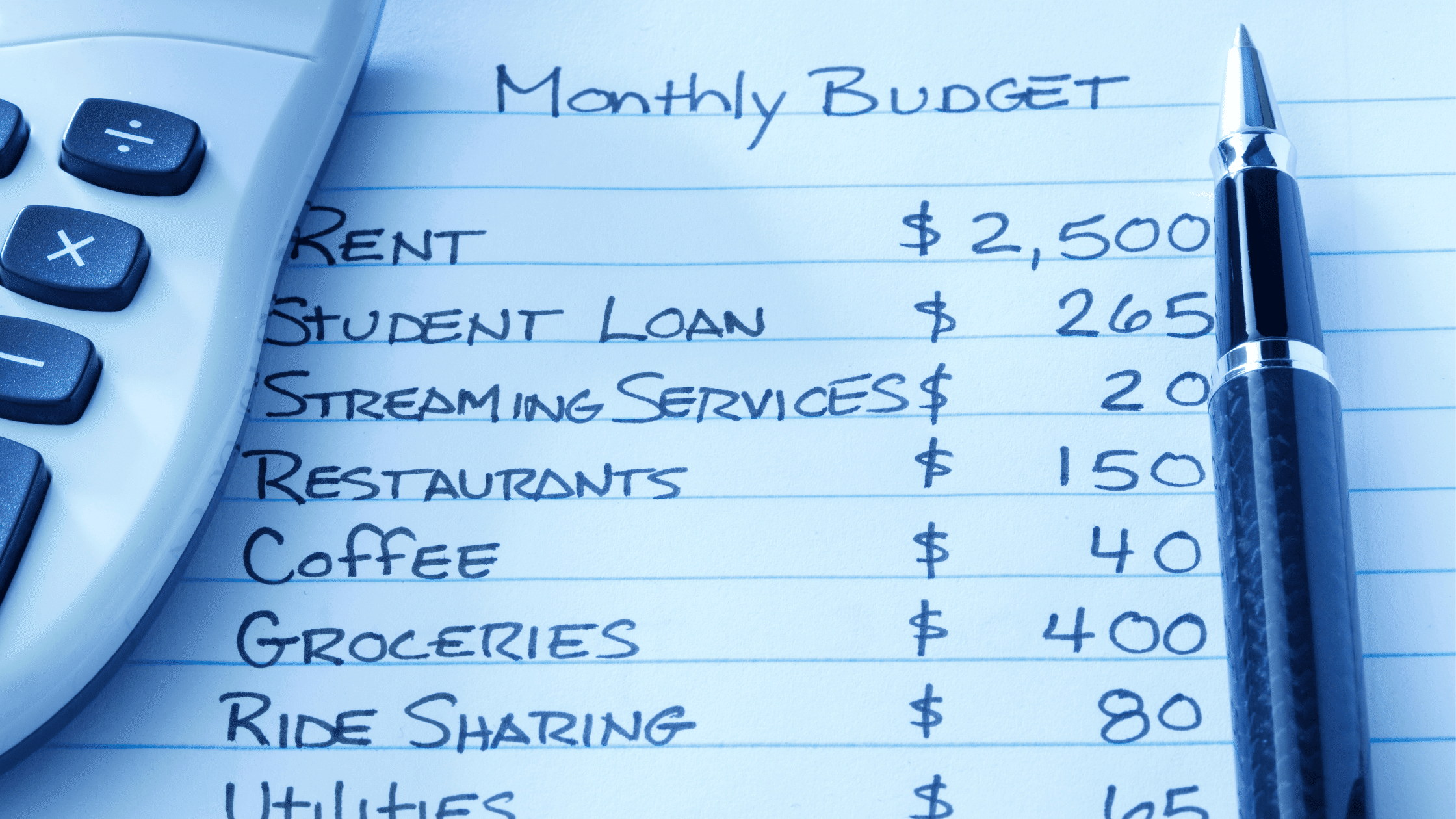
Suggested Alt Text: “Low income family planning monthly budget with notebook and calculator”