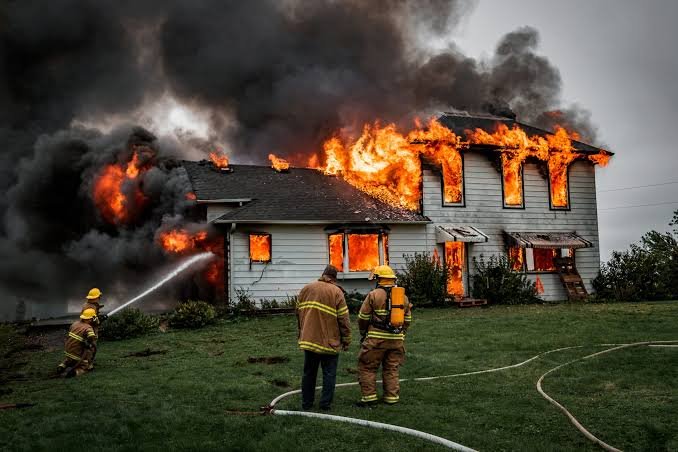
A property fire can create devastating consequences in a matter of minutes. Beyond the visible destruction caused by flames, property owners may face smoke contamination, soot, water damage, structural concerns, damaged belongings, and unexpected expenses. Fire damage claims can become equally challenging when insurance policies, inspections, estimates, deadlines, and settlement discussions enter the process.
Understanding how to approach an insurance claim from the beginning can help property owners avoid common mistakes and create stronger documentation. Taking organized, informed steps may also make it easier to identify the full extent of a loss and determine whether the insurer’s assessment accurately reflects the documented damage. Willis Willis Public Adjuster helps property owners navigate the complexities of the insurance claim process with informed guidance and professional support
Understanding Fire Damage Claims After a Property Loss
Fire damage rarely affects only the area where flames were present. Smoke can travel through walls, ceilings, ventilation systems, furniture, clothing, and other materials. Soot may leave residues throughout the property, while water and firefighting chemicals can create additional damage that requires professional attention.
The extent of insurance coverage depends on the specific policy. Coverage may vary according to the type of property, cause of the fire, applicable exclusions, deductibles, policy limits, and other terms.
For this reason, property owners should avoid making assumptions about what is or is not covered. Reviewing the policy and understanding the applicable provisions can help clarify the potential scope of a claim before important decisions are made.
Document the Property Before Major Cleanup
Documentation is one of the most important elements of a fire insurance claim. Photographs and videos can provide evidence of the property’s condition immediately after the incident and before significant restoration work changes the scene.
When conditions are safe, document:
- Structural damage to walls, ceilings, floors, doors, windows, and roofing
- Smoke and soot throughout affected areas
- Water damage caused by firefighting efforts
- Damaged appliances, electronics, furniture, and fixtures
- Destroyed clothing, household goods, equipment, and other belongings
- Exterior damage and debris
- Areas that appear unaffected but may have hidden contamination
- Temporary repairs or emergency services performed after the fire
Capture both wide-angle photographs and close-up images. A broad photograph can establish where damage occurred, while detailed images can show specific conditions that may not be obvious from a distance.
Avoid discarding damaged belongings immediately unless safety or health concerns require removal. When disposal becomes necessary, photographs, videos, inventory records, receipts, and other documentation can help establish what was lost.
Create a Detailed Inventory of Lost Property
Personal property losses can represent a significant portion of a fire claim. After a traumatic event, however, remembering every damaged or destroyed item can be difficult.
Creating a room-by-room inventory can make the process more organized. Include the item’s description, approximate age, quantity, condition before the fire, estimated replacement cost, and any available proof of ownership.
Useful records may include:
- Original receipts
- Credit card statements
- Warranty documents
- Product manuals
- Photographs showing possessions inside the property
- Online purchase records
- Appraisals for valuable items
- Home inventory records
Do not focus only on expensive belongings. Everyday household items can add considerable value when thousands of individual losses are combined.
Why a Thorough Damage Assessment Matters
A fire can produce damage that is not immediately visible. Structural materials may be weakened by heat, while smoke odors and soot particles can remain inside materials long after the flames have been extinguished.
Water used to control the fire can also penetrate flooring, walls, insulation, cabinetry, and other areas. If moisture remains trapped, secondary problems may develop during the restoration process.
A comprehensive assessment should therefore consider more than the visibly burned portion of the property. Depending on the circumstances, the evaluation may need to address:
- Structural damage
- Smoke and soot contamination
- Water and firefighting-related damage
- Electrical and mechanical systems
- Flooring, walls, ceilings, and cabinetry
- Personal property
- Debris removal
- Temporary living or operating expenses
- Necessary restoration and reconstruction costs
A complete assessment can provide a clearer picture of the financial impact of the loss and reduce the possibility of overlooking important categories of damage.
Hidden Damage Can Affect Fire Insurance Claims
One common challenge with fire damage claims is that some problems become apparent only after restoration or demolition begins. Smoke can penetrate porous materials, while heat and water may affect components behind walls or beneath floors.
Property owners should be cautious about treating an initial visual inspection as a complete assessment. Additional damage discovered later should be properly documented and communicated through the claim process.
Professional evaluations may also help determine whether certain materials require cleaning, restoration, or replacement. Decisions should be based on the property’s actual condition and applicable policy provisions rather than assumptions.
Keep Records of Every Fire-Related Expense
A major property loss can create expenses that would not normally occur. Temporary housing, meals, storage, transportation, emergency repairs, cleaning, and other costs may become part of the financial impact.
Keep receipts and supporting documentation for every potentially claim-related expense. A simple record can include the date, amount, purpose, vendor, and payment method.
Depending on the policy, certain additional living expenses or other costs may be covered. Coverage should be confirmed against the actual policy rather than assumed.
Maintaining records from the beginning is much easier than trying to reconstruct expenses weeks or months later.
Avoid Rushing Into an Insurance Settlement
After a fire, receiving an insurance payment can provide immediate financial relief. However, accepting a settlement before understanding the full extent of the loss may create problems if significant damage or expenses have not yet been considered.
Before agreeing to a final settlement, examine whether the assessment addresses:
- Complete structural restoration
- Smoke and soot remediation
- Water damage
- Damaged or destroyed personal property
- Debris removal
- Temporary accommodation or operating expenses, when applicable
- Necessary restoration services
- Other covered expenses identified by the policy
The first estimate provided during a claim may not necessarily represent the final cost of restoring the property. Construction costs, material requirements, hidden damage, and additional restoration needs can affect the overall amount.
Taking time to review the claim carefully can help property owners make decisions based on documented information rather than pressure or uncertainty.
Understand the Insurance Policy
Insurance policy contains specific language governing coverage, exclusions, limits, deductibles, conditions, and claim procedures. These provisions can determine how a fire-related loss is evaluated.
Policyholders should pay attention to requirements involving:
- Prompt notification of the loss
- Proof of loss
- Documentation requirements
- Emergency mitigation
- Deadlines
- Repair procedures
- Additional living expenses
- Replacement cost or actual cash value provisions
- Policy limits and deductibles
When policy language is difficult to interpret, professional guidance may provide useful clarity. Understanding the policy can help property owners recognize the difference between assumptions about coverage and the actual contractual provisions.
Common Mistakes That Can Weaken Fire Damage Claims
Even when a fire loss is clearly documented, avoidable mistakes can complicate the claim process. Some of the most common include:
1. Failing to Document Damage
Starting cleanup without taking photographs or videos may remove valuable evidence of the property’s original condition.
2. Discarding Damaged Items Too Quickly
Damaged belongings can provide evidence of the extent and type of loss. If disposal is necessary, create detailed documentation first whenever reasonably possible.
3. Making Permanent Repairs Immediately
Emergency measures may be necessary to prevent additional damage, but extensive permanent repairs should be carefully coordinated and documented.
4. Ignoring Smoke and Water Damage
A property does not need to be completely burned to experience substantial damage. Smoke, soot, and water can affect areas far beyond the fire’s immediate location.
5. Failing to Track Expenses
Lost receipts and incomplete expense records can make it more difficult to establish certain additional costs.
6. Assuming the First Estimate Is Final
An early estimate may not account for every affected material, hidden damage, restoration requirement, or personal property loss.
7. Missing Important Deadlines
Insurance policies can contain specific time requirements. Failing to respond within the applicable period may complicate the claim.
When Professional Claim Assistance Can Help
Managing a major fire loss while dealing with temporary housing, repairs, damaged possessions, and other disruptions can be overwhelming. At the same time, insurance claims often require substantial documentation, organization, communication, and attention to policy details.
A public adjuster works on behalf of the policyholder rather than the insurance company. Depending on the circumstances, a public adjuster may help document property damage, prepare claim information, evaluate estimates, organize supporting records, and communicate with the insurer during the claim process.
Professional assistance may be especially valuable when a claim involves extensive structural damage, multiple categories of loss, complicated documentation, or disagreements concerning the scope or value of the damage.
Willis Willis Public Adjuster provides professional support for property owners navigating the complexities of insurance claims following property damage.
Building a Stronger Fire Insurance Claim
Organization can make a significant difference throughout the claim process. Create a dedicated file containing the insurance policy, photographs, videos, inventories, receipts, estimates, invoices, inspection reports, correspondence, and other supporting documents.
A timeline can also help. Record the date of the fire, emergency response, initial inspection, mitigation work, restoration activities, insurance communications, submitted documents, and received payments.
Keeping communications organized can make it easier to identify unanswered questions and outstanding issues. Written records also provide a clear reference when reviewing how the claim has progressed.
Property owners should continue documenting new damage or expenses as the restoration process develops. A claim is not always static, and additional information may become available as damaged areas are inspected or materials are removed.
Ask the Right Questions
Before moving forward with major claim decisions, property owners can ask practical questions such as:
- Has every affected area been inspected?
- Has smoke and soot contamination been evaluated?
- Has water damage from firefighting been considered?
- Have all damaged belongings been inventoried?
- Are temporary expenses being documented?
- Does the estimate reflect current restoration requirements?
- Are policy limits and deductibles clearly understood?
- Are there applicable deadlines that require immediate attention?
These questions can encourage a more complete review and help identify areas requiring further documentation.
Conclusion
Fire damage claims involve much more than documenting a burned structure. Smoke, soot, water, structural damage, personal belongings, temporary expenses, and restoration requirements can all contribute to the total loss.
Prompt documentation, careful recordkeeping, thorough damage assessment, policy awareness, and timely professional assistance can help property owners navigate the insurance process more confidently. Rather than relying solely on an initial estimate or making rushed settlement decisions, a detailed and organized approach can help ensure that significant aspects of the loss receive proper attention.
For property owners facing a complicated fire-related insurance claim, Willis Willis Public Adjuster can provide professional guidance and claim support designed to help organize, document, and present the loss effectively.