Introduction
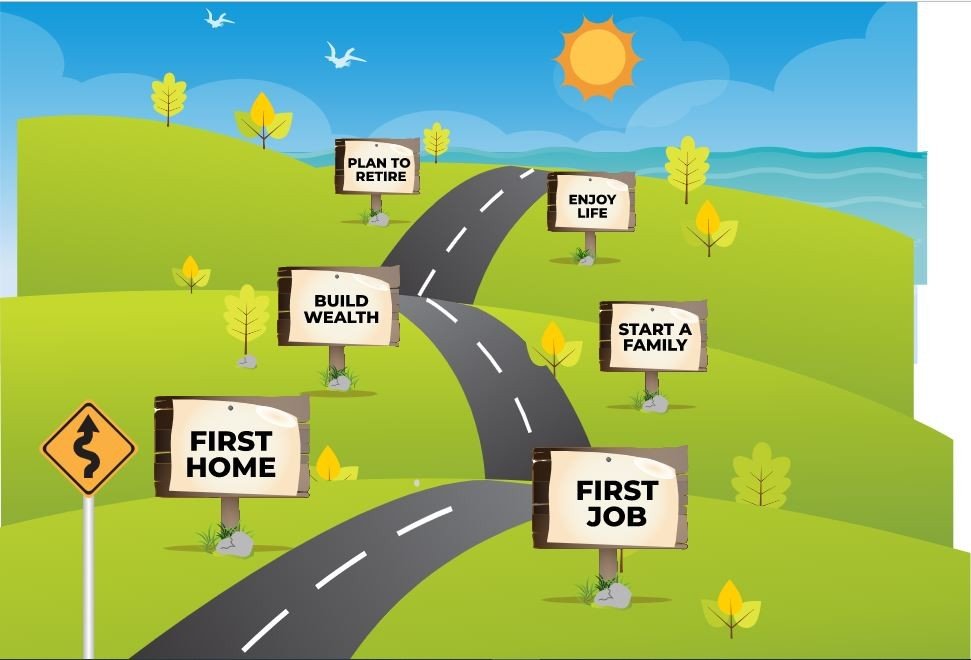
That first salary credit feels amazing — and then a little confusing, because suddenly you’re responsible for decisions nobody really taught you in school. Getting financial planning for beginners right from your very first job sets a foundation that genuinely compounds over your entire career, far more than most people realize at 22 or 23.
Step 1 — Understand Your Take-Home Salary First
Quick Answer: Before making any financial decisions, understand your actual take-home salary after tax and EPF deductions, since budgeting based on your gross CTC figure leads to overspending against money you never actually receive.
Step 2 — Build a Basic Emergency Fund First
Before investing anywhere, prioritize 3-6 months of expenses in a liquid, accessible account. I know it’s tempting to jump straight into stocks or mutual funds when you’re excited about your first salary, but skipping this step is a common early mistake that comes back to bite people during their first genuine financial emergency.
Step 3 — Understand Your Employee Benefits
Many first-jobbers don’t fully read through their offer letter’s benefits section. Check for:
- EPF contribution details and whether you can opt for additional voluntary contribution
- Health insurance coverage provided by the employer, and whether it’s adequate on its own
- Any employer-matched investment or retirement benefit programs
Step 4 — Start Investing Early, Even Small Amounts
A ₹2,000 monthly SIP started at 23 genuinely outperforms a ₹5,000 SIP started at 30, purely due to those extra years of compounding. Don’t wait for a “better time” or a higher salary to start — start small now and increase the amount as your income grows.
Step 5 — Get Adequate Term Insurance If You Have Dependents
If your parents or family depend on your income even partially, a term insurance plan matters more at this stage than most young earners realize. It’s also generally cheaper the younger you are when you buy it. [link to related guide on term insurance vs endowment plan here]
Step 6 — Set Up Basic Tax Planning From Year One
Don’t wait until January-March to scramble for tax-saving investments. Understanding Section 80C basics and the new vs old tax regime choice from your very first year avoids the classic last-minute rush that leads to poor investment choices.
Step 7 — Avoid Lifestyle Inflation Trap Early
This one’s honestly hard to resist, and I’ll admit I didn’t fully avoid it myself early on. As salary increases, expenses tend to creep up proportionally, or worse, more than proportionally. Try to save a meaningful chunk of every future increment, not just your base salary, right from the start.
A Real Scenario
Picture a 23-year-old starting their first job at ₹35,000/month take-home. Setting up an automated ₹5,000 SIP, building a basic emergency fund over the first year, and buying a simple ₹50 lakh term plan — all before increasing lifestyle spending significantly — sets them up in a fundamentally stronger position by 30 compared to someone who waits until “things settle down” to start planning.
FAQs
Should I start investing immediately or wait until I have savings first? Build a small starting emergency buffer first, but you don’t need to wait for a large amount before starting your first SIP — both can happen in parallel.
How much of my first salary should go toward savings and investments? Aim for at least 15-20% if feasible, adjusting upward as your income grows and initial expenses like setting up a new home stabilize.
Is it too early to think about retirement in my first job? No, this is actually the ideal time, since compounding benefits the most from decisions made in your 20s rather than delayed to your 30s or 40s.
Should I take a personal loan for lifestyle expenses early in my career? Generally not advisable — avoid taking on unnecessary debt for discretionary spending, especially before you’ve built any financial cushion.
Do I need a financial advisor for basic financial planning for beginners? Not necessarily at this stage — the basics (emergency fund, term insurance, simple SIPs) can be self-managed with some research before you need advisor-level complexity.
Conclusion
Getting financial planning for beginners right in your first job isn’t about perfection — it’s about building a handful of solid habits early: an emergency fund, some insurance, and consistent investing, however small. These decisions in your early 20s genuinely shape your financial trajectory more than almost any decision you’ll make later, simply because time is the one resource compounding needs most.
Suggested Alt Text: “Young professional planning finances after first job salary”