Introduction
Picture this — your bike breaks down, the repair costs ₹8,000, and payday is twelve days away. Sound familiar? This exact situation is why an emergency fund matters more than almost any other financial habit. It’s not glamorous, nobody posts about it on Instagram, but it’s the one thing standing between a minor setback and a full-blown financial crisis.
What Counts as a Real Emergency (And What Doesn’t)
Quick Answer: A true emergency is unplanned and unavoidable — medical bills, sudden job loss, urgent repairs — not a sale on your favorite brand or a last-minute vacation deal.
I’ve seen people dip into their “emergency fund” for a flight sale. That’s not what it’s for, and doing this repeatedly defeats the entire purpose.
How Much Should You Actually Save?
The standard advice is 3-6 months of expenses. But here’s my honest take — if you’re in a stable government job, 3 months might be plenty. If you’re freelancing or in a volatile industry like startups, aim closer to 8-9 months. There’s no single number that fits everyone perfectly.
A rough starting target:
- Monthly expenses: ₹25,000
- Minimum emergency fund: ₹75,000 (3 months)
- Comfortable emergency fund: ₹1,50,000 (6 months)
Where to Actually Keep This Money
Don’t put your emergency fund in the stock market or even long-term mutual funds — liquidity matters way more than returns here.
- Savings account — instant access, low interest, best for the first ₹20,000-30,000
- Liquid mutual funds — slightly better returns, withdrawal usually processed within 24 hours
- Sweep-in fixed deposits — automatically converts idle savings into FD returns while staying accessible
Building It When You Have Zero Savings Right Now
Start absurdly small if needed. Seriously.
- Save just ₹500 a week for the first month
- Automate a fixed transfer right after salary credit, before you can spend it
- Redirect any bonus, cashback, or refund straight into this fund
- Cut one recurring subscription and redirect that exact amount monthly
It sounds slow, but momentum matters more than speed in the beginning. Three months in, you’ll have a habit, not just a number.
Common Mistakes People Make
I’ve made a couple of these myself, not gonna lie.
- Treating the fund as “extra shopping money” during a good month
- Not replenishing it immediately after using it for a genuine emergency
- Keeping it in the same account you spend from daily — way too tempting
- Investing it in equity, chasing higher returns, then panicking when markets dip right when you need the money
How Long Does It Realistically Take?
Depends entirely on your savings rate, obviously. Someone saving ₹5,000/month building a ₹1,50,000 fund needs roughly 30 months without any interest factored in. Add a small return from a liquid fund, and you shave off a couple of months. [link to related guide on the 50-30-20 budgeting rule here]
FAQs
Should I build an emergency fund before investing in mutual funds? Generally yes — most financial planners suggest at least 3 months’ worth before you start serious investing, so market dips don’t force you to sell at a loss.
Can I use a credit card as my emergency fund instead? It can work as a backup, but interest rates on credit card debt are brutally high, so it shouldn’t replace an actual cash fund.
Is a fixed deposit better than a savings account for this fund? A sweep-in FD or liquid fund is generally better since it earns more while still staying reasonably accessible.
What if I lose my job — how long should the fund last? Aim for at least the time it typically takes to find a new role in your industry, often 3-6 months in most sectors currently.
Should couples maintain separate or joint emergency funds? Either works, but clear communication about who accesses it and when matters more than whose name is on the account.
Conclusion
Building an emergency fund isn’t about hitting a magic number overnight — it’s about removing the panic from life’s inevitable surprises. Start small, automate it, and resist the urge to dip in for non-emergencies. Once you’ve got that first month’s expenses saved, you’ll already feel a noticeable shift in how much financial stress you’re carrying day to day.
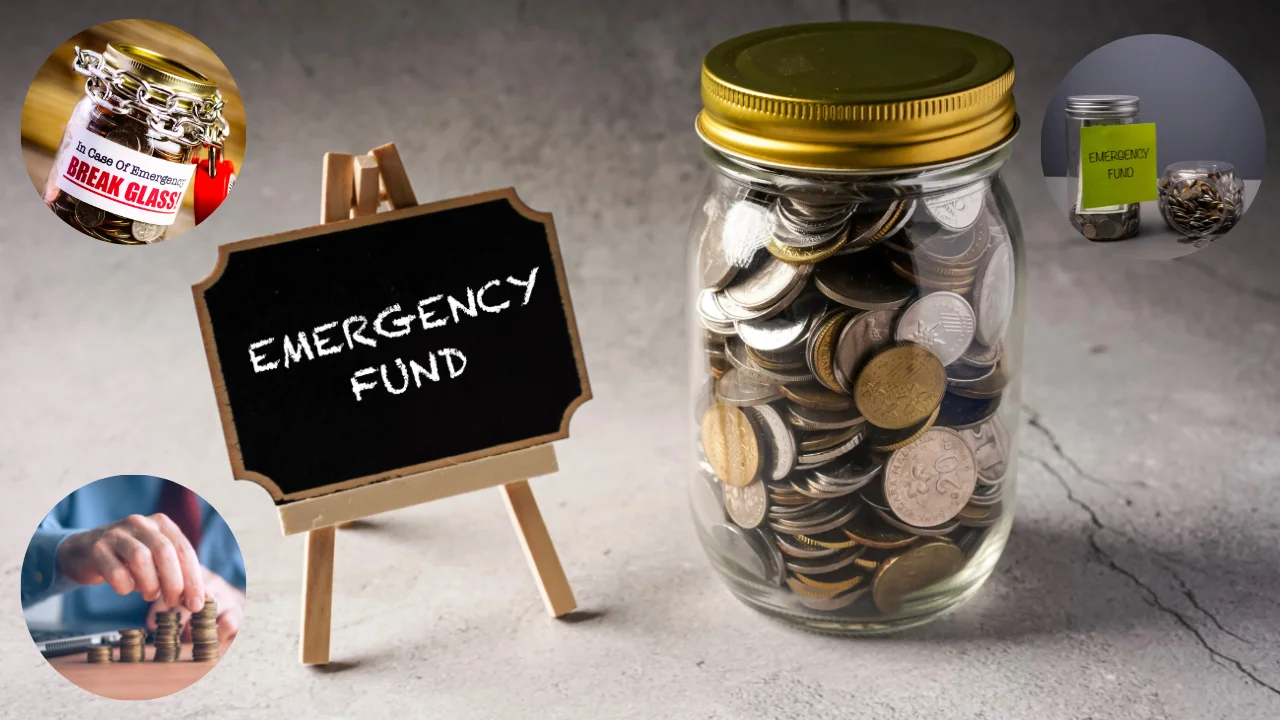
Suggested Alt Text: “Emergency fund savings jar with coins and rupee notes”