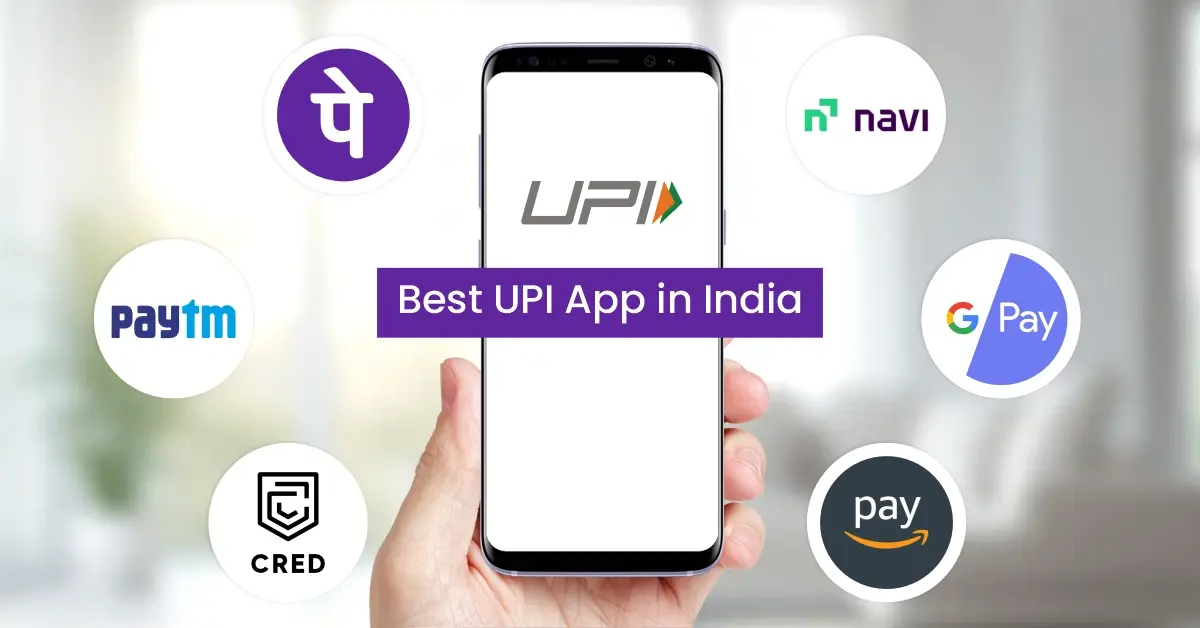
Introduction
UPI has genuinely changed how India pays for everything, from ₹10 tea stalls to lakh-rupee transactions. But with so many options, figuring out the best UPI apps for your specific needs isn’t always obvious — they’re not all identical under the hood, despite doing the same basic job.
What Actually Differentiates UPI Apps
Quick Answer: While all UPI apps use the same underlying NPCI infrastructure for transactions, they differ in interface design, additional features like bill payments or investments, cashback offers, and how they handle security features like transaction limits and fraud alerts.
Comparing the Major Players
- Google Pay — clean interface, strong scratch card/rewards history, widely accepted, though rewards have become less generous over recent years
- PhonePe — arguably the most feature-packed, bundling insurance, mutual fund investments, and bill payments alongside UPI
- Paytm — good for merchant payments and offers, though the app can feel cluttered with too many features competing for attention
- BHIM — the original NPCI app, simpler, fewer bells and whistles, but reliable for pure UPI transactions
- WhatsApp Pay — convenient if you’re already chatting with someone, though feature-limited compared to dedicated payment apps
Safety Features Worth Checking
- Transaction limits — most apps cap UPI transactions at ₹1-2 lakh per transaction depending on the bank
- UPI Lite — useful for small transactions without requiring a UPI PIN each time, though check the balance cap
- Fraud alerts and reporting — apps with quick in-app fraud reporting and blocking tend to help limit damage faster
- Biometric/PIN layering — apps requiring both device lock and UPI PIN offer better protection against unauthorized access
Common UPI Scams to Watch For
I’ve had a close call myself once with a fake “refund request” — someone sent a collect request disguised as a refund, hoping I’d approve it without reading carefully. A few things to remember:
- Never approve a “collect request” you didn’t initiate, even if it looks like a refund
- Never share your UPI PIN with anyone, including someone claiming to be from customer support
- Verify the recipient’s name shown before confirming any payment
- Be cautious of QR codes from unknown sources, especially for “receiving” money — you should never need to enter a PIN to receive funds
Which App Should You Actually Use?
Honestly, for pure day-to-day payments, most major UPI apps work equally well. I’d pick based on additional features you’ll actually use — if you want bill payments and investments bundled in, PhonePe or Paytm make sense. If you prefer a clean, no-frills experience, Google Pay or BHIM might suit better. [link to related guide on buy now pay later apps here]
Do UPI Apps Charge Any Fees?
Personal UPI transactions remain free for users in India currently. Merchant transactions above certain thresholds may attract charges to the merchant, not the customer, under current MDR rules — though this policy area does shift periodically, so it’s worth checking current rules if you’re a merchant.
FAQs
Is it safe to link multiple bank accounts to one UPI app? Yes, this is a standard and safe feature — you can choose which account to pay from for each transaction within the app.
Can I use UPI without an internet connection? Yes, through *99# USSD banking, basic UPI transactions are possible without internet, though functionality is limited.
What happens if money is deducted but not credited to the recipient? Such failed transactions are usually auto-reversed within a few hours to a couple of business days; if not, you can raise a complaint through the app or your bank.
Is there a daily limit on UPI transactions? Yes, most banks cap it around ₹1 lakh per day for regular UPI transactions, though this varies by bank and account type.
Which UPI app gives the best cashback currently? This changes frequently with promotional campaigns — check each app’s current offers page rather than relying on outdated comparisons.
Conclusion
Choosing among the best UPI apps really comes down to which additional features matter to you beyond basic payments — investments, bill tracking, or just a clean, simple interface. Whichever you pick, prioritize safety habits over app choice: never share your PIN, double-check collect requests, and verify recipient names before confirming any payment.
Suggested Alt Text: “Comparison of top UPI payment apps on smartphone screen”