Introduction
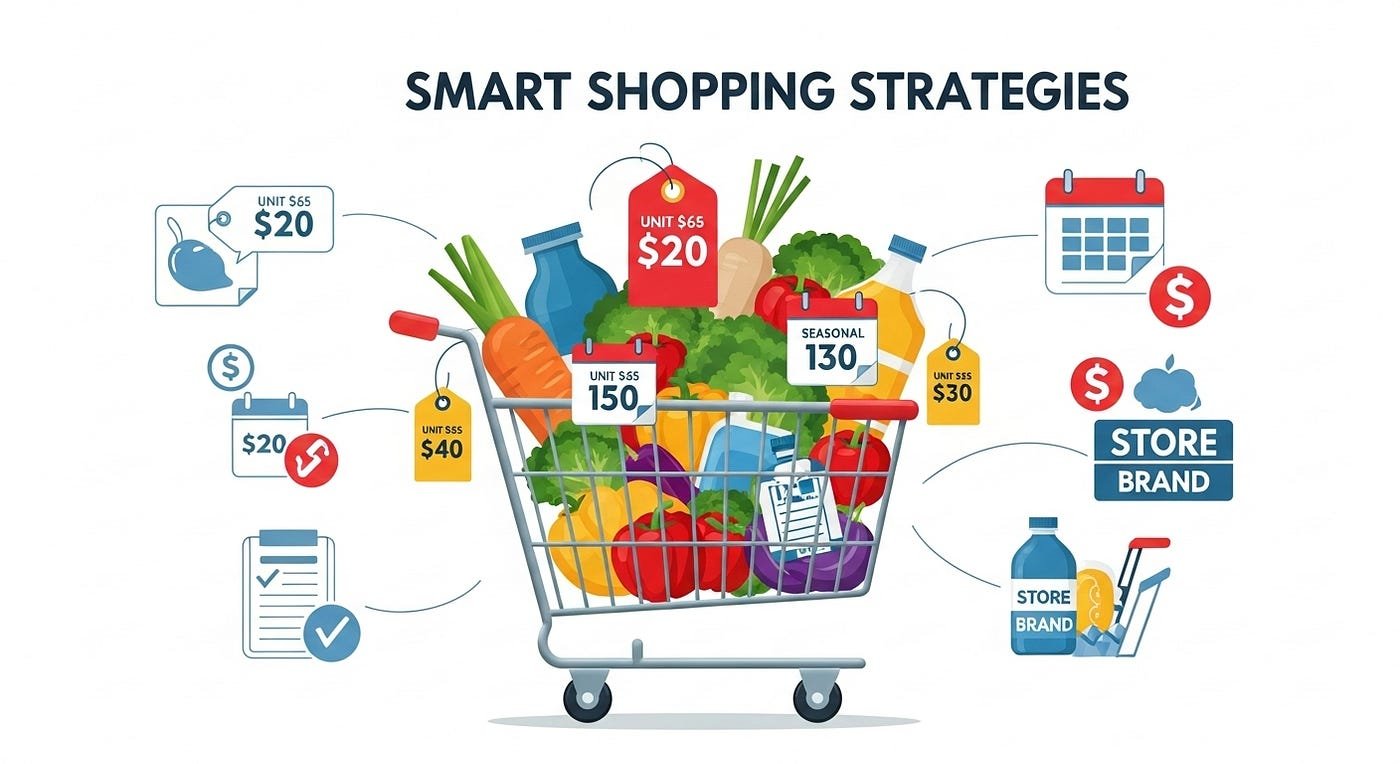
Grocery prices have quietly crept up over the last couple of years, and most of us barely notice until the monthly bill feels heavier than expected. Learning how to save money on groceries isn’t about eating worse — it’s about shopping smarter, and a few small habit changes genuinely add up over months.
Plan Meals Before You Shop, Not After
Quick Answer: Planning your weekly meals before grocery shopping and buying only what those meals require typically reduces food waste and impulse purchases, cutting grocery bills by 15-20% for most households.
Make a List and Actually Stick to It
Sounds obvious, but how many of us actually follow this consistently? Walking into a grocery store without a list almost guarantees impulse buys — that snack aisle is designed to catch your eye. A written (or app-based) list, checked before you leave the store, genuinely curbs this.
Buy Seasonal Produce
Seasonal vegetables and fruits are almost always cheaper and fresher than out-of-season alternatives shipped from elsewhere. It also naturally varies your diet through the year, which isn’t a bad thing nutritionally either.
Compare Price Per Unit, Not Just the Package Price
A bigger pack isn’t always cheaper per unit — sometimes brands price larger packs at a premium assuming you won’t calculate the per-kg or per-litre rate. Take the extra ten seconds to check.
Avoid Shopping While Hungry
This genuinely isn’t just a cliché — I’ve tested it myself, and shopping on an empty stomach reliably leads to more impulse purchases, especially snacks and ready-to-eat items that seem more appealing than they actually are.
Buy Non-Perishables in Bulk When There’s a Real Discount
- Rice, lentils, and grains with long shelf lives are good bulk-buy candidates
- Check the actual discount percentage — sometimes “bulk” pricing isn’t meaningfully cheaper
- Only bulk-buy what you’ll realistically use before quality degrades
Use Grocery Apps and Loyalty Programs Wisely
Several grocery delivery apps offer decent cashback or discounts on regular orders. Just make sure you’re comparing actual prices against your local market too — delivery convenience sometimes comes with a hidden markup that offsets the discount. [link to related guide on best budgeting apps for expense tracking here]
Reduce Food Waste — It’s Basically Wasted Money
A meaningful chunk of grocery spending ends up thrown away, often unnoticed. Simple habits help:
- Store perishables properly to extend their usable life
- Cook slightly less than you think you need if you consistently have leftovers going bad
- Use vegetables nearing spoilage in soups or stir-fries rather than letting them go to waste
A Real Scenario
Picture a family that switched from twice-weekly unplanned grocery runs to one planned weekly trip with a strict list. Within two months, they noticed their monthly grocery bill had dropped by roughly ₹2,000-2,500, purely from reduced impulse buying and less food going to waste — no lifestyle sacrifice, just better planning.
FAQs
Does buying in bulk always save money? Not always — only when the per-unit price is genuinely lower and you’ll use the product before it expires or degrades in quality.
Should I switch to a discount grocery store entirely? It can help, but compare quality and freshness too, especially for perishables, since the cheapest option isn’t always the best overall value.
How much can meal planning realistically save monthly? Many households report savings of 15-25% simply by reducing impulse buys and food waste through consistent meal planning.
Are store-brand groceries as good as branded ones? Often yes for basics like grains, dairy, and household staples, though it’s worth testing individual products since quality can vary by category.
Is online grocery shopping cheaper than in-store? It varies — online sometimes offers better discounts and cashback, but delivery fees or minimum order requirements can offset those savings depending on the platform.
Conclusion
Learning to save money on groceries doesn’t require drastic lifestyle changes — small, consistent habits like planning meals, sticking to a list, and reducing food waste genuinely move the needle over a few months. Try tracking just one month’s grocery spending against these habits, and you’ll likely see the difference clearly in the numbers.
Suggested Alt Text: “Grocery shopping list and budget planning on kitchen counter”