Introduction
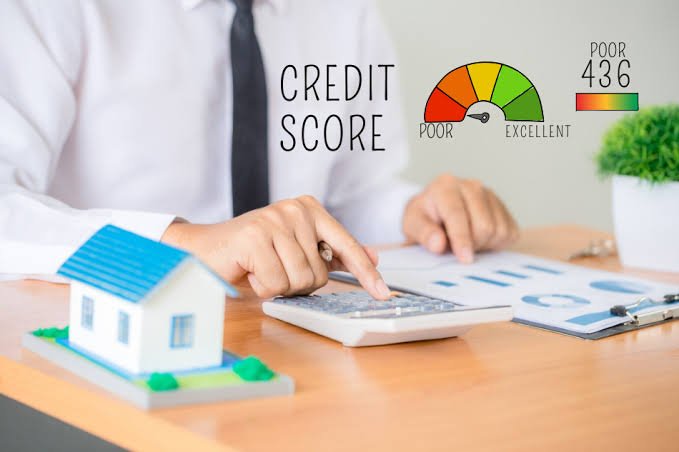
Getting your dream home loan rejected — or approved at a painfully high interest rate — often comes down to one number most people barely check until it’s too late. Your CIBIL score for home loan approval genuinely shapes both whether you get approved and what interest rate you’re offered. The good news? It’s fixable, just not overnight.
What CIBIL Score Do Banks Actually Look For?
Quick Answer: Most banks prefer a CIBIL score of 750 or above for the best home loan interest rates and smooth approval, while scores between 650-749 may still get approved but often at higher rates or with additional conditions.
Why Your Score Might Be Lower Than Expected
Common reasons people are surprised by a low score:
- Missed credit card payments, even by a few days, months ago
- High credit utilization — using more than 30-40% of your total credit limit regularly
- Too many loan/credit card applications within a short period
- Errors in your credit report that were never disputed or corrected
Step-by-Step Ways to Improve Your Score
- Pay every EMI and credit card bill on time, even the minimum due if full payment isn’t possible
- Reduce credit utilization below 30% of your total limit across all cards
- Don’t close old credit cards abruptly — longer credit history generally helps your score
- Avoid multiple loan enquiries in a short window, since each hard enquiry dings your score slightly
- Check your credit report for errors at least twice a year and raise disputes for any mistakes
How Long Does It Take to See Improvement?
Honestly, there’s no fixed timeline, and I’d be lying if I said otherwise. Minor improvements from paying down utilization can show within 1-2 billing cycles. But recovering from a genuinely poor score — say, below 600 due to defaults — realistically takes 6-12 months of consistent, disciplined repayment behavior.
A Real Scenario Worth Noting
Picture a young couple in Jaipur applying for a home loan with a combined score of 680, mostly due to one missed credit card payment eighteen months back and high utilization on a personal loan. By paying down that loan aggressively and keeping card utilization under 25% for six months, their score climbed to 740 — enough to shift them into a noticeably better interest rate bracket, saving lakhs over a 20-year loan tenure.
Does Checking Your Own Score Hurt It?
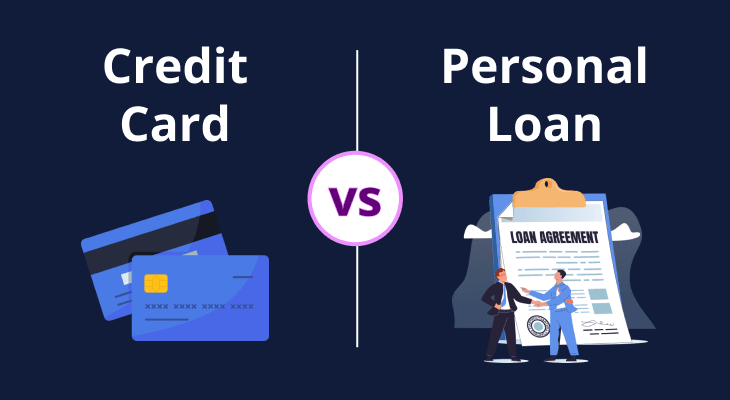
No, and this misconception still surprises people. A soft enquiry (checking your own score through apps like CIBIL, Paisabazaar, or your bank) has zero impact. Only a hard enquiry, triggered when a lender pulls your report for an actual loan application, has a small, temporary effect. [link to related guide on personal loan vs credit card loan here]
Should You Apply for a Home Loan While Improving Your Score?
If your score is borderline, say around 700-720, it might be worth waiting 3-4 months while actively improving it, rather than locking into a higher interest rate now. On a ₹50 lakh home loan over 20 years, even a 0.5% interest rate difference can add up to several lakhs in extra interest paid.
FAQs
What is considered a good CIBIL score for home loan approval? Generally, 750 and above is considered excellent and typically qualifies for the best available interest rates.
Can I get a home loan with a CIBIL score below 650? It’s possible with some lenders, particularly NBFCs, but usually at higher interest rates or with a co-applicant having a stronger score.
Does having no credit history at all hurt my home loan chances? Yes, a complete absence of credit history makes it harder for lenders to assess risk, sometimes requiring a co-applicant with an established credit history.
How often should I check my CIBIL score before applying for a loan? Checking every 2-3 months in the run-up to your loan application helps you track improvement and catch errors early.
Will paying off my entire personal loan early boost my score instantly? It helps, but the boost isn’t always instant — it typically reflects in your score within one to two reporting cycles after the closure is updated.
Conclusion
Improving your CIBIL score for home loan approval isn’t complicated, but it does demand consistency — there’s no shortcut that fixes months of missed payments overnight. Start with the basics: pay on time, keep utilization low, and check your report for errors. Give yourself a few months of disciplined behavior before applying, and you’ll likely walk into that home loan negotiation with a noticeably stronger hand.
Suggested Alt Text: “Person checking CIBIL score on smartphone before home loan application”